
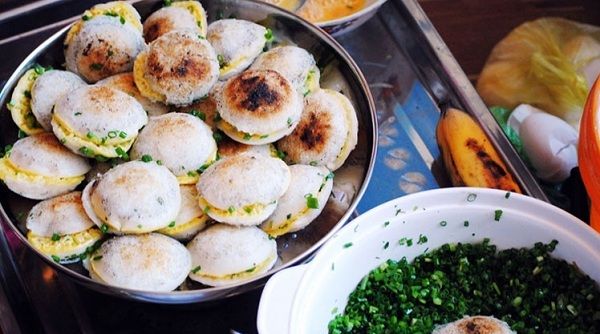
In the rich tapestry of Vietnamese cuisine, few dishes capture the essence of regional identity quite like Bánh Căn. This distinctive culinary creation, with its crispy exterior and soft, savory interior, stands as a testament to the ingenuity and resourcefulness of central Vietnamese cooking traditions. At establishments like VietRice Essence Restaurant and Viet Rice Kitchen Cooking Class, visitors can experience firsthand the artistry behind this beloved street food that has captivated locals and travelers alike for generations.
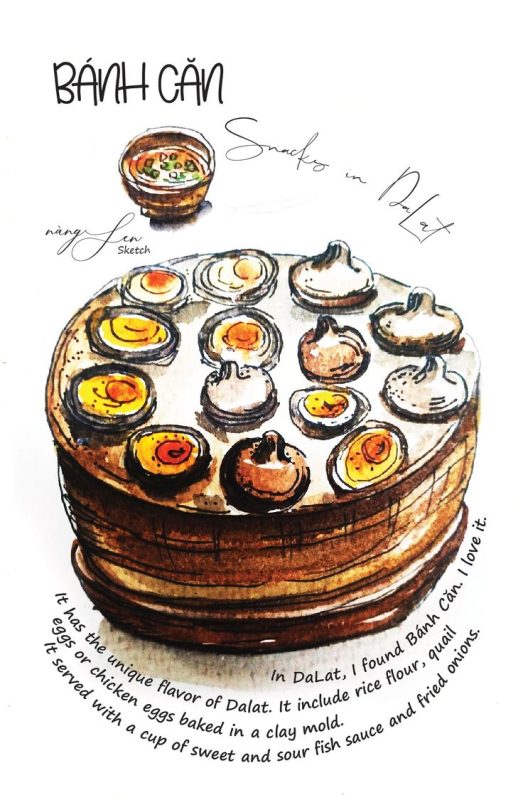
The Origins and Cultural Significance of Bánh Căn
Ancient Roots of a Modern Delicacy
Bánh Căn’s history stretches back centuries, with its origins deeply embedded in the cultural heritage of central Vietnam. Historians believe the dish emerged from the ancient Champa civilization, which once flourished along Vietnam’s central coast. Evidence suggests that early versions of Bánh Căn were prepared as offerings during important ceremonies and festivals, highlighting its significance beyond mere sustenance.
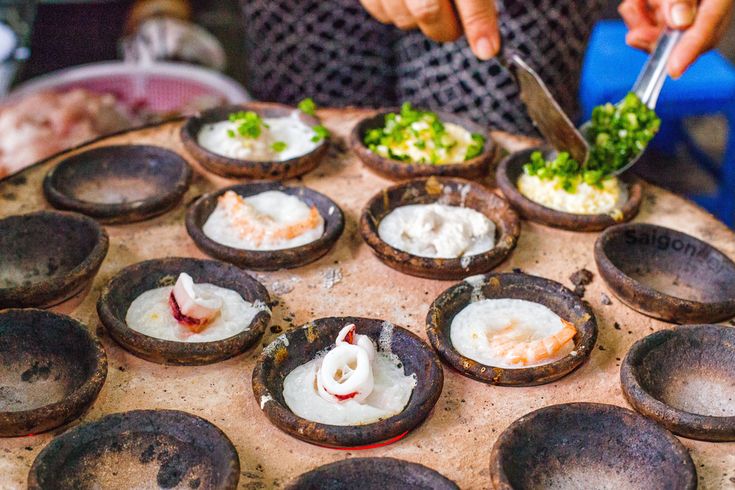
The name “Bánh Căn” itself provides insight into its preparation: “Bánh” refers to a cake or pastry in Vietnamese, while “Căn” relates to the small clay molds traditionally used to cook the dish. These earthenware cooking vessels, with their distinctive circular indentations, have remained largely unchanged through generations, preserving the authentic cooking method that gives Bánh Căn its characteristic shape and texture.
Regional Identity and Cultural Heritage
In central Vietnam, particularly in provinces like Khánh Hòa, Ninh Thuận, and Bình Thuận, Bánh Căn represents more than just a popular snack—it embodies regional identity and cultural continuity. Families often pass down their specific recipes and techniques from generation to generation, with subtle variations emerging between communities and even households.
The dish features prominently during traditional celebrations and gatherings, where the preparation of Bánh Căn becomes a communal activity. Family members gather around the sizzling molds, taking turns pouring batter and adding ingredients, transforming a simple cooking process into an opportunity for strengthening social bonds and cultural transmission.
The Distinctive Preparation of Bánh Căn
Traditional Cooking Methods
What truly sets Bánh Căn apart from other Vietnamese rice cakes is its unique preparation method. The traditional cooking apparatus consists of a clay plate with multiple round molds, similar to a takoyaki pan but made of earthenware. These special pans, heated over charcoal, create the perfect environment for developing the cake’s distinctive texture—crispy on the outside while maintaining a soft, tender center.
The preparation begins with making a rice flour batter, often fermented slightly to develop complexity of flavor. Skilled cooks at establishments like VietRice Essence Restaurant understand that achieving the perfect consistency of this batter is crucial; too thin and the cakes won’t hold their shape, too thick and they won’t cook through properly.
The Art of the Perfect Bánh Căn
Creating the perfect Bánh Căn requires both technique and timing. The process begins by heating the clay molds until they’re very hot. A small amount of oil is added to each depression, followed by a careful pour of the rice batter. The batter sizzles upon contact, immediately beginning to form a crisp exterior.
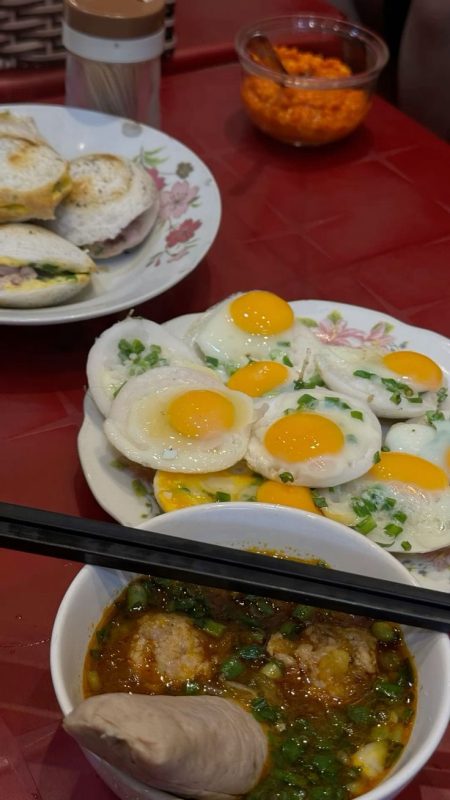
What happens next varies by region and personal preference. In some areas, an egg yolk is cracked onto the batter, while in others, minced pork, shrimp, or green onions are added. The cakes cook quickly, requiring the chef’s constant attention to prevent burning. Using small bamboo sticks or chopsticks, experienced cooks like those at Viet Rice Kitchen Cooking Class deftly remove the perfectly golden Bánh Căn from their molds, ready to be served with accompanying sauces and herbs.
Regional Variations
The beauty of Bánh Căn lies in its regional diversity. In Nha Trang, the cakes tend to be thinner and crispier, often topped with a quail egg. The version from Phan Rang-Tháp Chàm features a thicker cake with more pronounced fermentation. Da Lat’s iteration incorporates local mountain herbs for a distinctive flavor profile.
These variations reflect not only different taste preferences but also the availability of local ingredients and the influence of historical trade routes and cultural exchanges. At VietRice Essence Restaurant, guests can experience authentic renditions of these regional specialties, prepared with traditional techniques and high-quality ingredients.
The Unique Flavor Profile of Bánh Căn
A Symphony of Tastes and Textures
What makes Bánh Căn truly special is its multifaceted sensory experience. The initial bite reveals a crispy exterior that gives way to a soft, slightly chewy interior with a subtle tanginess from the fermentation process. This textural contrast creates an immediately satisfying mouthfeel that distinguishes Bánh Căn from other rice-based dishes in Vietnamese cuisine.
The flavor profile balances savory, umami notes from the protein toppings with the mild, slightly sweet undertones of the rice batter. The optional additions of quail eggs contribute richness, while scallions and herbs provide fresh, aromatic elements that enliven the palate. When enjoyed fresh from the mold, the cakes carry a hint of smokiness from the charcoal heating, adding another dimension to their complex flavor.
The Crucial Role of Accompaniments
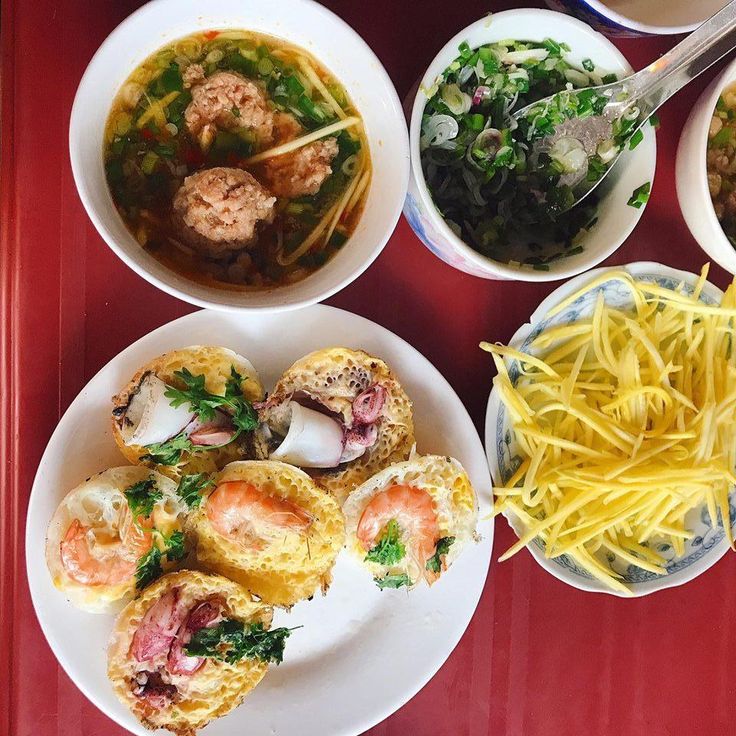
While Bánh Căn is delicious on its own, the accompanying dipping sauce and garnishes are integral to the complete experience. The traditional sauce varies by region but typically includes fish sauce, sugar, lime juice, and chili, creating a perfect balance of sweet, sour, salty, and spicy elements that complement the cakes beautifully.
Fresh herbs like Vietnamese coriander (rau răm), mint, and perilla leaves add brightness and complexity, while pickled vegetables contribute crunch and acidity that cut through the richness of the cakes. At VietRice Essence Restaurant, the chefs pay particular attention to these accompaniments, understanding that they’re not mere accessories but essential components that complete the dish.
The Cultural Context of Bánh Căn Consumption
Street Food Culture and Daily Life
In central Vietnam, Bánh Căn occupies a special place in the vibrant street food ecosystem. Early mornings in cities like Nha Trang and Da Lat see small stalls setting up their charcoal stoves and clay molds, preparing to feed hungry locals on their way to work or school. The distinctive sound of batter sizzling in hot molds and the aromatic smoke wafting through narrow alleyways signal the start of another day.
These humble street-side operations often represent family businesses passed down through generations. Regular customers develop relationships with vendors, who remember their preferences and engage in the daily ritual of community building through food sharing. This social aspect of Bánh Căn consumption reflects broader Vietnamese values of connection and communal experience.
Bánh Căn in Central Vietnamese Food Identity
Central Vietnamese cuisine is known for its bold flavors, innovative use of ingredients, and distinctive preparations that set it apart from northern and southern culinary traditions. Bánh Căn exemplifies these characteristics, showcasing the region’s preference for vibrant tastes, textural complexity, and dishes that create memorable dining experiences.
The popularity of Bánh Căn in central provinces speaks to its perfect alignment with local taste preferences and eating habits. As a relatively light yet satisfying option, it suits the climate and lifestyle of central Vietnam, where many people prefer multiple smaller meals throughout the day rather than three large ones.
The Modern Bánh Căn Experience
Contemporary Adaptations and Innovations
While traditional preparation methods remain respected and preserved, innovative chefs are finding ways to reinterpret Bánh Căn for contemporary diners. At forward-thinking establishments like VietRice Essence Restaurant, traditional recipes serve as a foundation for creative explorations that might incorporate unexpected ingredients or presentation styles.
Some modern versions feature fusion elements, such as cheese toppings, unconventional proteins like duck or beef, or international flavor influences. These innovations help introduce Bánh Căn to new audiences while maintaining respect for its cultural significance and fundamental preparation techniques.
The Role of Tourism in Bánh Căn Preservation
Tourism has played a significant role in bringing attention to Bánh Căn beyond its traditional strongholds. As travelers seek authentic culinary experiences, dishes like Bánh Căn have gained recognition on the international stage. This exposure has paradoxically helped preserve traditional preparation methods, as local communities recognize the cultural and economic value of maintaining authentic food heritage.
Cooking classes like those offered at Viet Rice Kitchen Cooking Class have become popular among visitors eager to learn the secrets behind this beloved dish. These hands-on experiences allow participants to understand the skill and cultural knowledge embedded in something as seemingly simple as a rice cake, fostering greater appreciation for Vietnamese culinary traditions.
Experiencing Bánh Căn at VietRice Essence Restaurant
A Culinary Destination for Authentic Flavors
VietRice Essence Restaurant has established itself as a premier destination for experiencing authentic central Vietnamese cuisine, with Bánh Căn serving as one of its signature offerings. The restaurant takes pride in sourcing high-quality ingredients, including heirloom rice varieties that provide the perfect texture and flavor for their batter.
The chefs at VietRice Essence preserve traditional cooking methods while ensuring consistent quality that meets contemporary dining expectations. Visitors can watch as their Bánh Căn is prepared in traditional clay molds over charcoal, creating an immersive dining experience that engages all the senses.
Seasonal Specialties and Chef’s Creations
Understanding that traditional Vietnamese cuisine is inherently seasonal, VietRice Essence Restaurant offers special variations of Bánh Căn throughout the year, incorporating seasonal ingredients at their peak freshness. During spring months, for example, guests might find Bánh Căn topped with tender young bamboo shoots, while autumn brings versions featuring local mushroom varieties.
The restaurant’s tasting menu offers an opportunity to sample multiple regional variations of Bánh Căn alongside other central Vietnamese specialties, creating a comprehensive culinary journey through the region’s flavors and techniques.
Learning the Art of Bánh Căn at Viet Rice Kitchen Cooking Class
Hands-On Cultural Immersion
For those inspired to recreate this delicious dish at home, Viet Rice Kitchen Cooking Class offers an unparalleled opportunity to learn from expert instructors in a supportive environment. Their Bánh Căn masterclass takes participants through every step of the process, from selecting and preparing ingredients to mastering the timing and techniques required for perfect results.
The intimate class setting allows for personalized instruction and plenty of hands-on practice with the traditional cooking implements. Instructors share not only the technical aspects of preparation but also the cultural context and historical significance of Bánh Căn, enriching participants’ understanding of Vietnamese culinary heritage.
From Market to Table Experience
Many cooking classes at Viet Rice Kitchen begin with a guided market tour, where participants learn to select the freshest ingredients and understand the role of each component in creating balanced, flavorful dishes. This farm-to-table approach helps connect students with the agricultural traditions that underpin Vietnamese cuisine.
Back in the teaching kitchen, participants work with traditional clay molds heated over charcoal, experiencing firsthand the skill required to achieve the perfect texture and doneness. The class culminates in a communal meal where students enjoy the fruits of their labor alongside other Vietnamese dishes that complement Bánh Căn’s unique flavor profile.
The Nutritional Profile and Health Benefits of Bánh Căn
Traditional Wisdom in Modern Nutrition
Beyond its delicious taste, Bánh Căn offers nutritional benefits that align with contemporary understanding of balanced eating. The rice-based batter provides complex carbohydrates for sustained energy, while protein toppings contribute essential amino acids. The fermentation process not only enhances flavor but also increases digestibility and creates beneficial compounds that support gut health.
The moderate portion size of individual cakes encourages mindful eating, while the array of fresh herbs and vegetables served alongside adds important vitamins, minerals, and fiber. When prepared traditionally with minimal oil, Bánh Căn represents a relatively light option within the spectrum of Vietnamese street foods.
Accommodating Dietary Preferences
At establishments like VietRice Essence Restaurant, the basic Bánh Căn preparation can be adapted to accommodate various dietary preferences and restrictions. Vegetarian versions might feature mushrooms or tofu instead of meat, while those avoiding eggs can enjoy simpler versions topped with herbs and green onions. This flexibility has helped Bánh Căn remain relevant in an era of increasing dietary consciousness.
Preserving Culinary Heritage for Future Generations
Documentation and Education
As Vietnam undergoes rapid modernization, organizations and culinary institutions are working to document traditional dishes like Bánh Căn, ensuring that authentic recipes and techniques aren’t lost to time. Cooking schools like Viet Rice Kitchen Cooking Class play a vital role in this preservation effort, passing knowledge to both Vietnamese youth and international visitors who become ambassadors for Vietnamese culinary traditions.
Digital platforms have also contributed to preservation efforts, with food bloggers, documentary filmmakers, and cultural institutions creating resources that document regional variations and preparation methods. These resources serve as valuable references for future generations and help maintain the integrity of traditional preparations.
Sustainable Practices in Traditional Cooking
Many traditional aspects of Bánh Căn preparation align naturally with contemporary sustainability concerns. The use of local, seasonal ingredients, minimal food waste through creative use of leftovers, and energy-efficient cooking methods all reflect an inherent wisdom about resource management that predates modern environmentalism.
Forward-thinking establishments like VietRice Essence Restaurant are finding ways to honor these traditional practices while incorporating additional sustainable approaches, such as sourcing ingredients from local organic farms and using biodegradable packaging for takeaway orders.
The Enduring Appeal of Bánh Căn
The story of Bánh Căn is one of cultural resilience, culinary ingenuity, and regional pride. This seemingly simple dish carries within it centuries of history, refined techniques, and the distinctive flavor profile that makes central Vietnamese cuisine so beloved. More than just sustenance, it represents community, tradition, and the artful balance of flavors and textures that characterizes Vietnamese gastronomy at its finest.
For travelers seeking authentic culinary experiences, Bánh Căn offers a perfect entry point into understanding central Vietnamese culture and food traditions. At establishments like VietRice Essence Restaurant and through educational experiences like Viet Rice Kitchen Cooking Class, this humble yet remarkable dish continues to win admirers and preserve an important aspect of Vietnam’s culinary heritage.
Whether enjoyed as a quick breakfast at a street-side stall or as part of an elaborate tasting menu at a fine dining establishment, Bánh Căn remains a testament to the enduring power of food to connect people across generations and cultures. Its continued popularity speaks to both its delicious flavor and its meaningful place in the cultural identity of central Vietnam—a true culinary treasure worth celebrating and preserving.
Book your cooking class today and experience Vietnam’s culinary heritage firsthand!
VietRice Essence Restaurant & Viet Rice Kitchen Cooking Class
Your gateway to authentic Vietnamese culinary traditions
https://vietriceessence.com/
http://vietricekitchen.com/
